
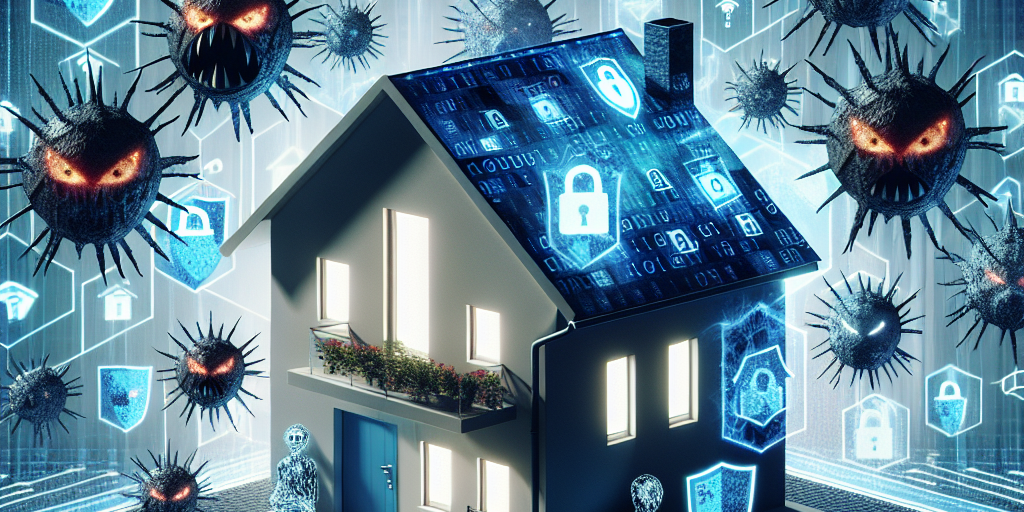
Smart Homes Under Cyber Siege
The smart devices populating our homes may be more vulnerable to cyberattacks than we realize. According to a **joint report** by Bitdefender and Netgear, the average smart home endures nearly 29 attacks per day, with streaming devices and smart TVs being particularly susceptible. The comprehensive study, which analyzed threat intelligence across 6.1 million homes in the U.S., Australia, and Europe, discovered that these connected devices are prime targets for hackers utilizing port scanning attacks. These types of cyberattacks scan devices to pinpoint weaknesses and exploit them. With smart homes boasting an average of 22 connected devices, consumers need to be aware of the risks lurking within their cutting-edge conveniences.
Healthcare Cybersecurity: A Frontline Battle
The healthcare industry is becoming increasingly aware of the critical role healthcare workers play in cybersecurity. Employees are now viewed as the last line of defense against cyber threats, with social engineering tactics like phishing posing significant risks to health networks. John Riggi of the American Hospital Association emphasized the importance of cybersecurity awareness in healthcare, equating “cyber hygiene” with “medical hygiene.” In an industry where the stakes are exceptionally high, educating healthcare staff on the importance of safeguarding patient data is becoming as crucial as protecting patients from medical harm.
AI and Cloud Lead to Shifting Software Pricing
As artificial intelligence (AI) continues to reshape the tech industry, software pricing strategies are evolving rapidly. An **October Revenera report** reveals that more than half of the product leaders surveyed are planning to introduce new monetization models to manage escalating costs associated with cloud services and AI. The future points to a decline in solely subscription-based pricing in favor of models that merge subscription with usage-based fees. With this shift, tech leaders should brace themselves for fluctuating costs driven by AI integration, as hybrid models gain traction and companies even consider adopting outcome-based pricing.
Today’s IT Landscape: Scams, Opinions, and Legacy Systems
The state of information technology is ever-changing and multifaceted, as evidenced by the latest industry insights. A significant **73%** of U.S. adults have experienced online scams or attacks, says Pew Research Center, highlighting the prevalence of cybersecurity threats faced by individuals today. Meanwhile, contrary to perceptions of an AI bubble, Nvidia CEO Jensen Huang shares an optimistic perspective on the future of AI technology. And for a nostalgic journey through tech history, PCWorld celebrates **forty years of Windows**, offering a pictorial glance at the evolution of one of the most influential operating systems in the world.